from Pastor Cathy Weigand and Kevin Williams, Lay Leader
“It does not matter who you are or what your past is, you should not lose your life as a result of an encounter with law enforcement.”
—Madison Mayor Satya Rhodes-Conway, July 23, 2026
Every person is created in the image of God—beloved, worthy, and held in dignity. As followers of Jesus, we believe that no life is disposable, and no one is beyond the reach of grace.
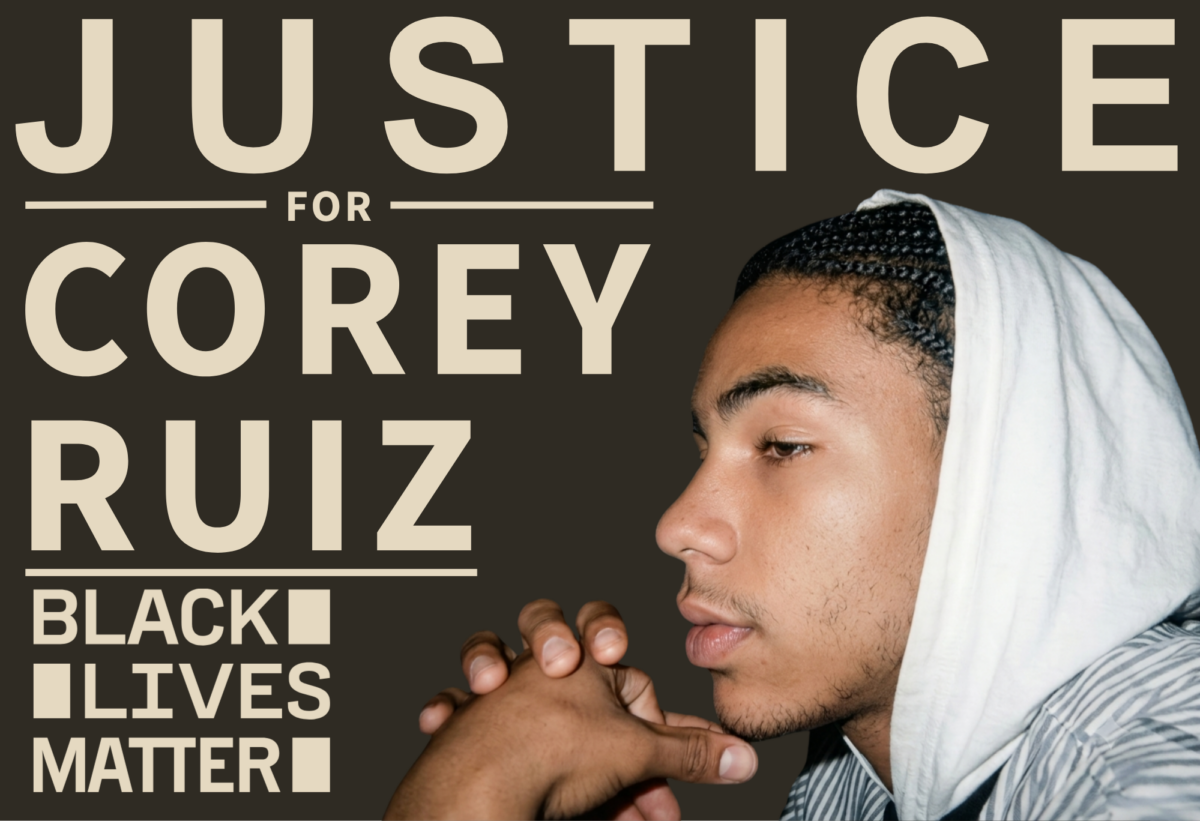
And yet, here we are. Mourning the death of another Black man on the streets of Madison at the hands of a Madison Police Department officer.
The recent death of 38-year-old Corey Durrell Ruiz is not an isolated event in our city’s history. Over the years, there have been other lives lost in encounters with law enforcement—each one a person, each one a story, each one a family now grieving. Investigations and legal processes proceed, and while outcomes are uncertain, the deeper truth remains: lives have been lost, and communities carry that weight.
In moments like this, public conversation often turns quickly to justification. What was happening? What was threatened? What might have been done differently? We hear phrases that begin, “Yes, this is tragic, but…”
What if, instead, we chose a different word?
“Yes, and…”
Yes, he was a man with a story, with relationships, with a past.
And there may have been fear, confusion, or danger in the moment.
And now he is dead.
And because he is dead, there is no opportunity for healing.
No opportunity to make amends.
No opportunity for transformation or redemption on this side of life.
Jesus consistently met people in the fullness of their humanity—not reducing them to their worst moment, but seeing them as beloved children of God. He offered mercy where others offered judgment. He made space for restoration where others saw only failure.
The shift from “but” to “and” invites us to do the same. It allows us to hold complexity without losing compassion. It calls us to remember that every person involved—those who have died, their families, the officers, the community—are human beings in need of grace.
Investigations into Corey Ruiz’s death will continue. Decisions will be made. But beyond those processes, we are left with deeper questions as people of faith:
Is this the kind of community we are called to be?
What does it mean to follow Jesus in a world where violence continues to take lives?
How do we bear witness to a different way?
As a congregation, we are invited not only to grieve, but to respond—to pray, to listen, to learn, and to seek ways to embody compassion in a world that so often defaults to fear.
We may not have easy answers. But we are not without guidance. We follow a Savior who wept at the tomb of his friend, who stood with the marginalized, and who proclaimed life in the face of death.
So we pray—not as an ending, but as a beginning:
God of mercy, hold all who grieve in your care.
God of justice, guide us toward a more compassionate way.
God of life, let it not be so that any of your children die without hope, without dignity, without the chance for redemption.
Amen.